Go Green
An Augmented Reality game for collaborative urban greenery design.
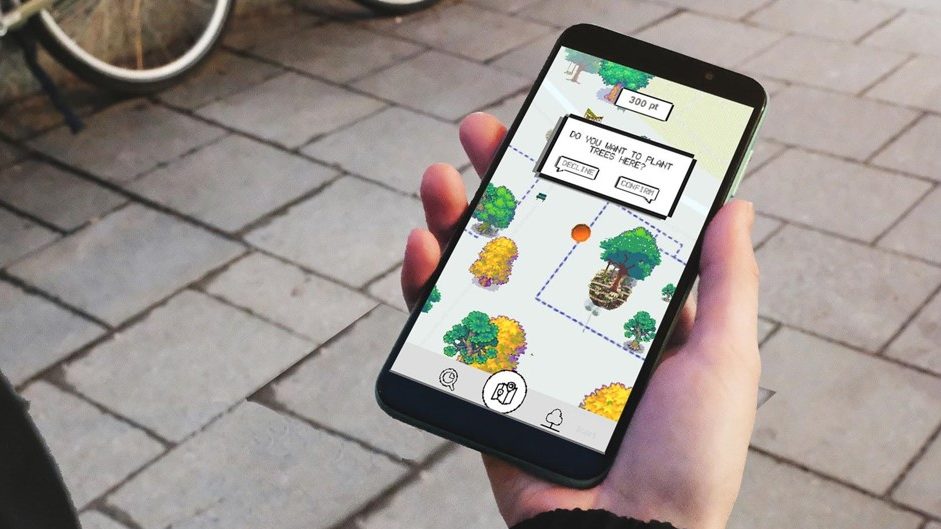
2021 / TUM, Munich. Teammate Rong Peng
Overview
Climate change, largely driven by human activities, poses a significant threat. While the German government introduced the Climate Action Plan 2050 in 2016, the key challenge lies in translating these policies into tangible actions and guiding individuals in confronting climate change. I was part of this ambitious project to bond eco-friendly commuting with improving urban living environments.
Problem
It is difficult for individuals to relate their behavior to the macro-environmental protection. The problem is how to use a carrier to make individuals realize that what they are doing is meaningful and willing to stick to it. Rewards system works but it is very tricky, when it comes to a physical award.
Solution
Design an application focused on cultivating a participatory tree-growing experience within a virtual urban landscape, driven by the collective efforts of users engaging in eco-friendly commuting.
My role
I led the design of the rewards concept and digital interaction, including researching in the early stage, building low and high-fidelity prototypes as well as conducting user tests.
I stopped working on the project during the detailed AR visual design phase as the app started to be built.
Key Functions
Our application has five main functions, collect points by using low-carbon transportation; use points to plant trees on the map; use points to help trees grow; find trees that the users have participated in through my tree list; generate reports to help users see the contribution of trees in a region for three criteria.
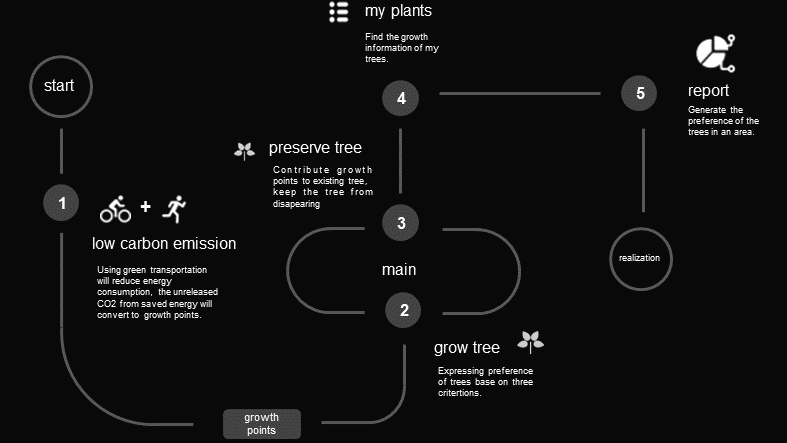
Interactions
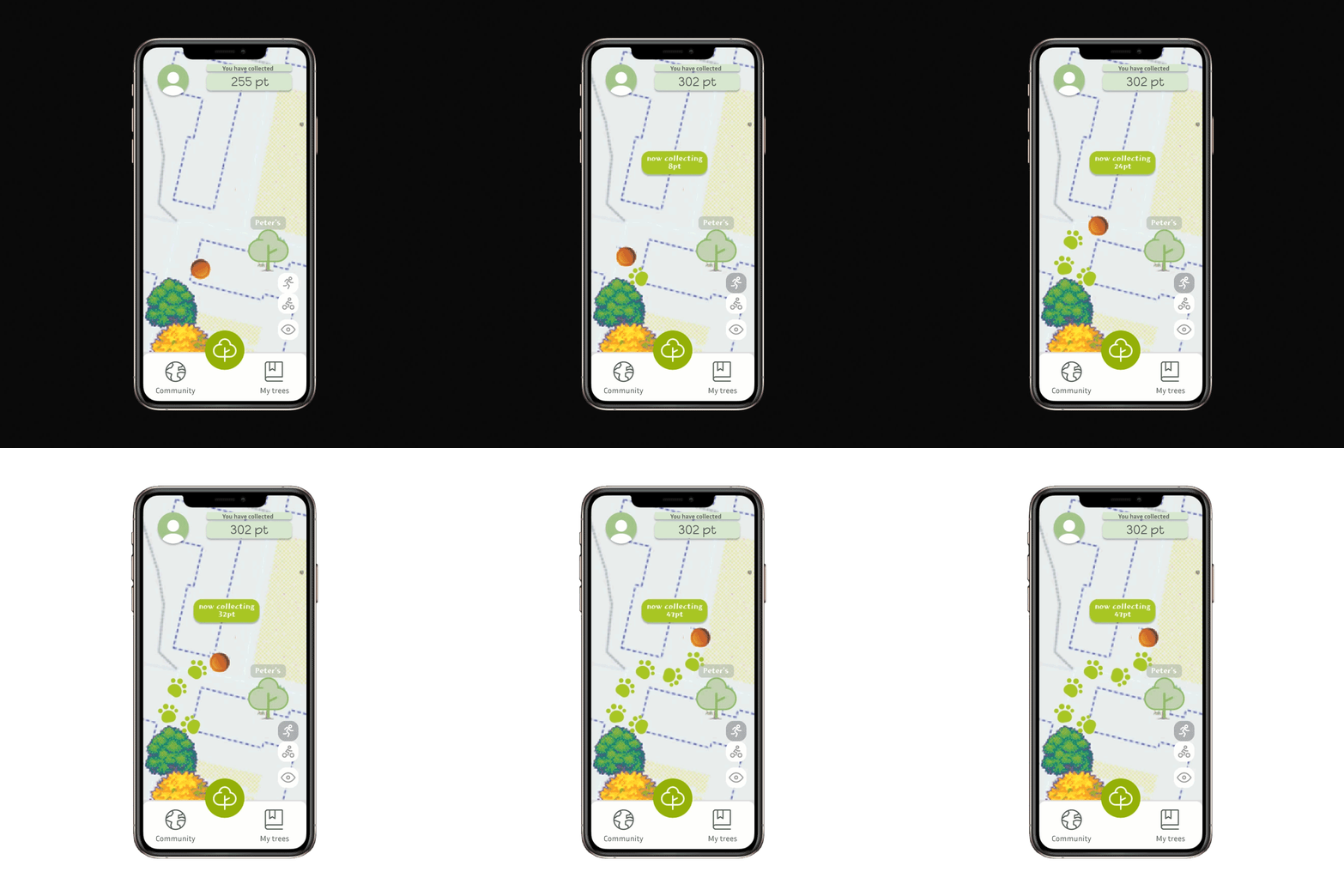
Collect energy points
Users have to start with low carbon commuting mode for reducing greenhouse gases to earn the growing points for plating trees and green facilities.
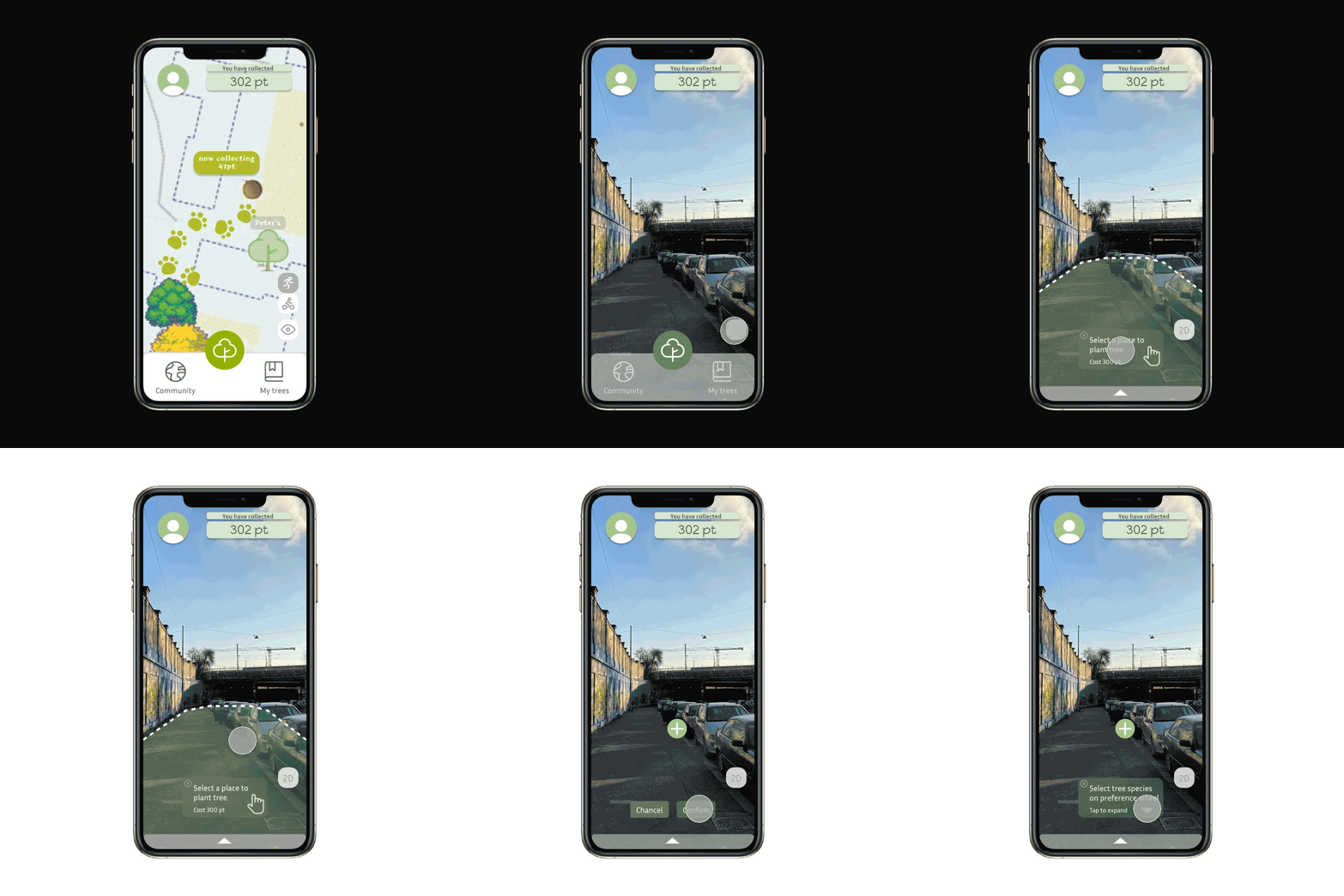
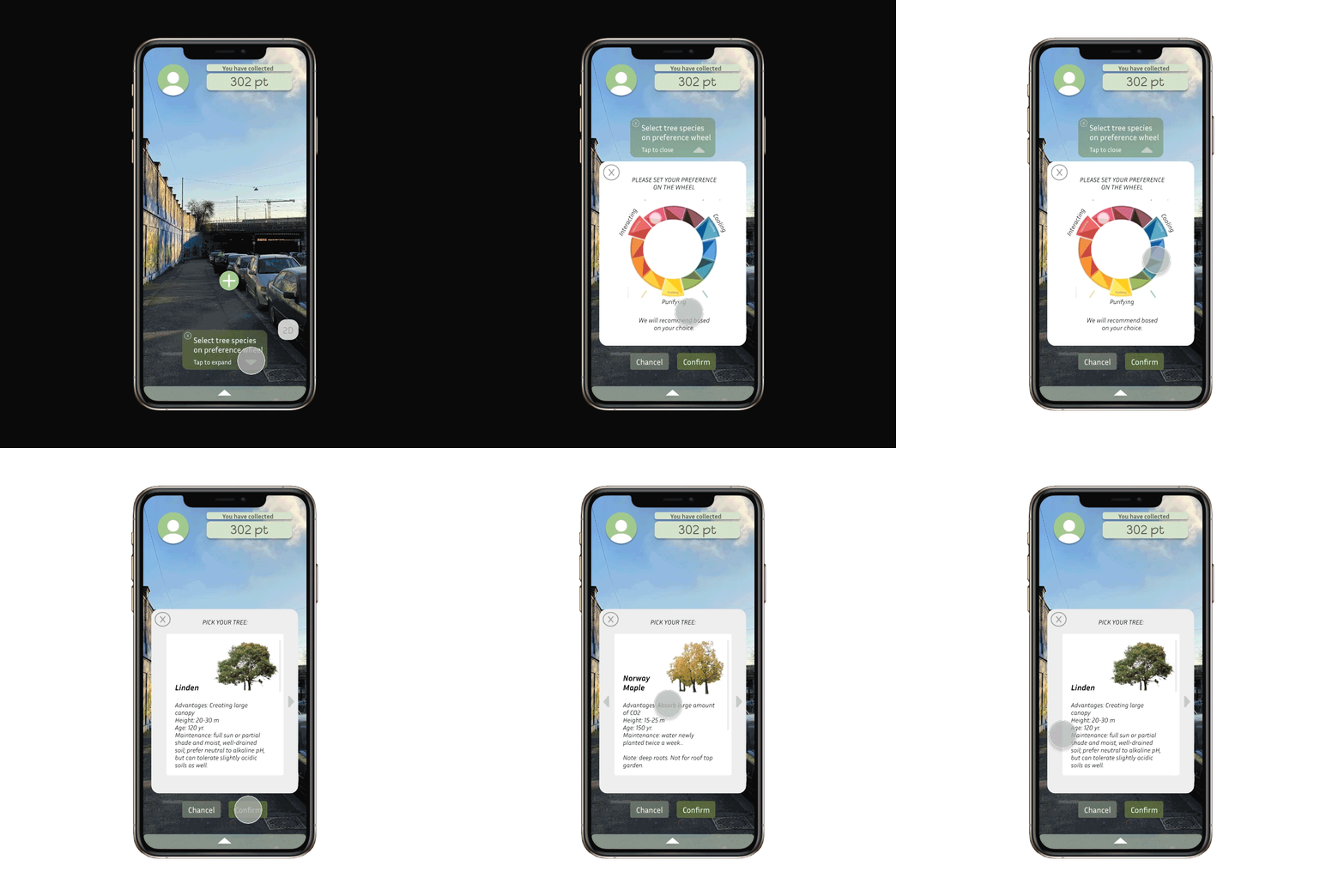
Select place for greenery
By dragging a facility, the related facilities near the neighborhood will show up to provide necessary information for users to make reasonable master planning.
Inform about tree species
When the user selects tree species to link their own needs and the tree characteristics, not just based on the appearance of the tree, we turn the tree species selection into a preference wheel. According to the user’s preference, we recommend specific tree species.
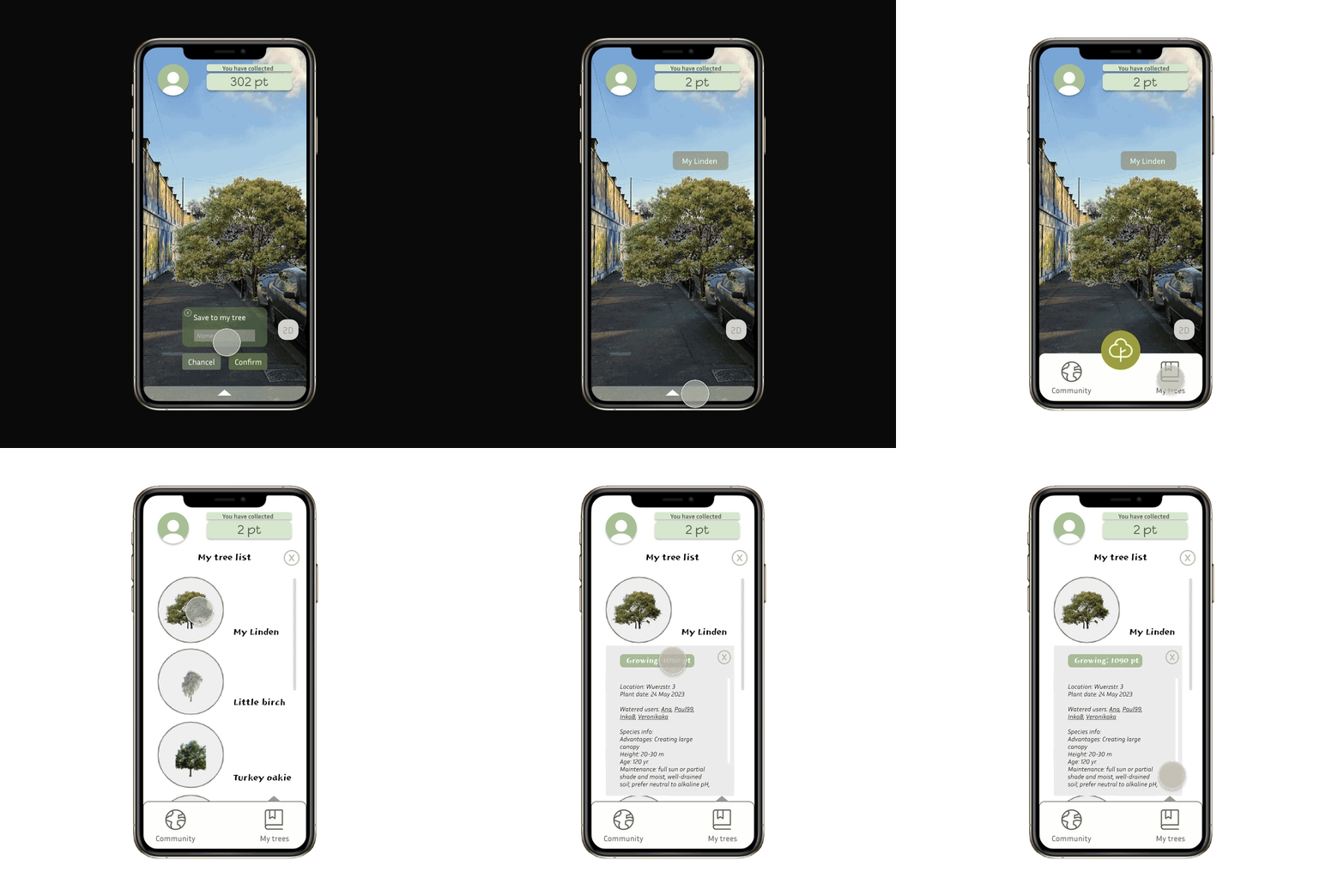
My tree list
Trees will be saved to “my tree list” after naming. Users could recall their trees through the list.
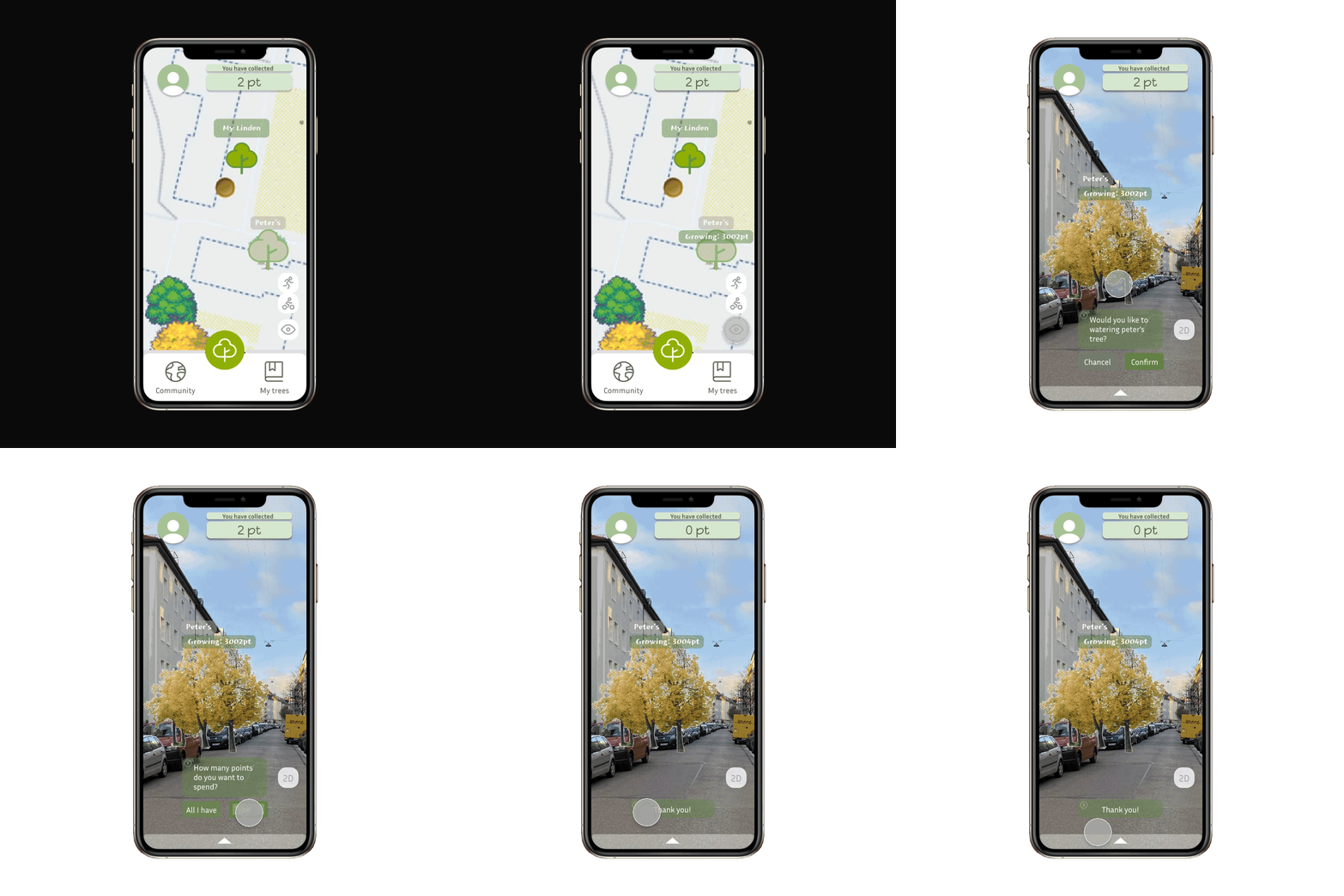
Interact with others’ tree
Users could interact with each other to spend their points on trees and facilities, which are initiated by other users to help in growing and preserving when they like the location and the species.
Research
Commuting
We researched the main way people commute in Munich. 58% are private cars, 39% are public transportation, and only 3% are bicycles. In the comparison of bicycle-friendly cities, according to the table of „The most bicycle-friendly cities in Germany “, Munich ranks 6th. In this report, it is also mentioned that cyclists feel that the safety of riding has decreased. This means that citizens still rely on the way of private vehicles; the city will take part in the responsibilities of a restricted bicycle. How the city provides low-carbon transportation and a friendly environment, we hope the discussion could happen on our platform.

Urban greenery functions & species
In considering sustainable shared spaces in urban settings, it’s important to examine the primary functions of urban greenery coverage and explore different varieties that thrive in city environments.
- Functions
In an interview with Dr. Somidh Saha, “City Trees under Stress”, it was mentioned that “Urban forests provide multiple ecosystem services such as cooling and purifying air, reducing mental stress in humans, increasing aesthetic values, fostering urban biodiversity, boosting ecotourism, etc.” So We introduced three main functions as criteria to select greenery species in our application, cooling, purifying, and interaction with citizens. The system will suggest species based on the function users selected.
- Species
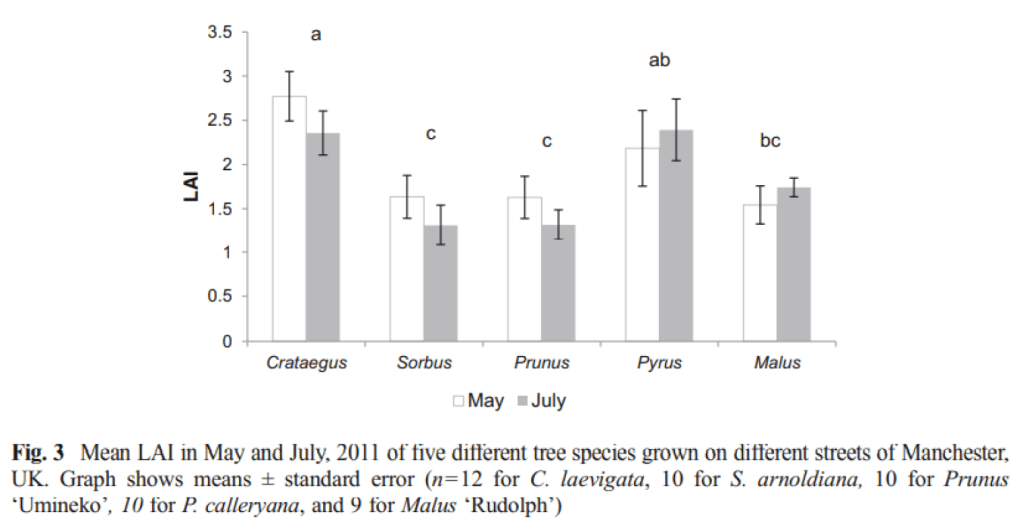
Our main literature reference “A comparison of the growth and cooling effectiveness of five commonly planted urban tree species”(Rahman et al. 2015) examines the growth and physiological conditions of five frequently planted urban tree species, investigating their diverse climate capabilities based on various microclimate effects like evaporation and purification. It indicates that trees with higher leaf area and stomatal conductivity, along with broader canopies, tend to have a more pronounced cooling effect.
Ideation
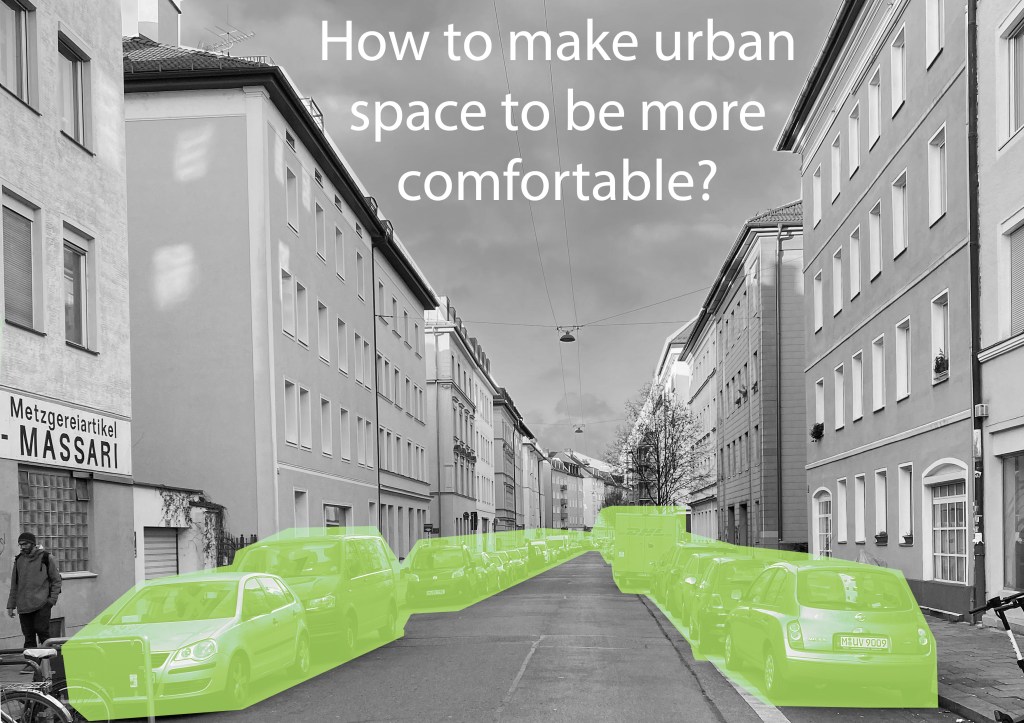
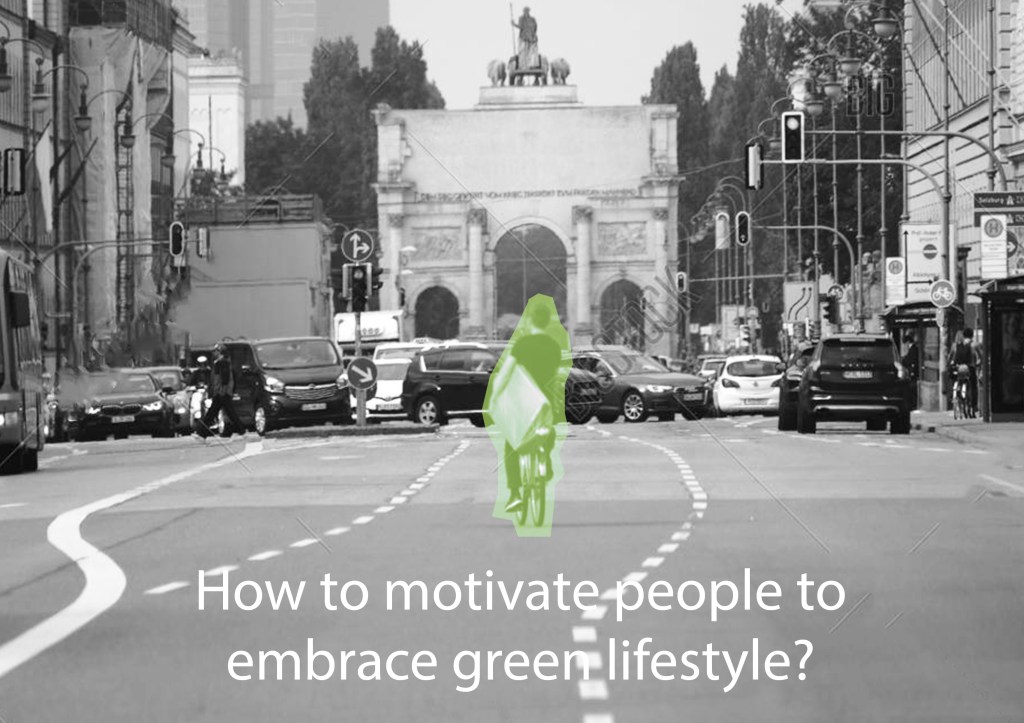
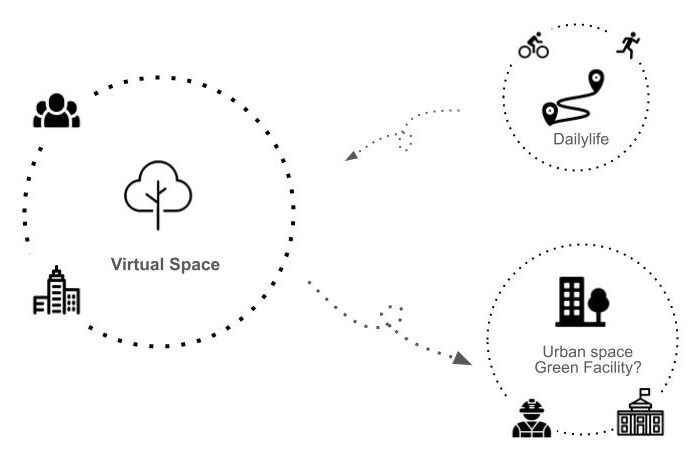
We’ve implemented a rewards points system to incentivize sustainable commuting practices, allowing users to accumulate points and use them to plant virtual trees, which on the other hand could be the platform to redesign urban spaces.
User flow
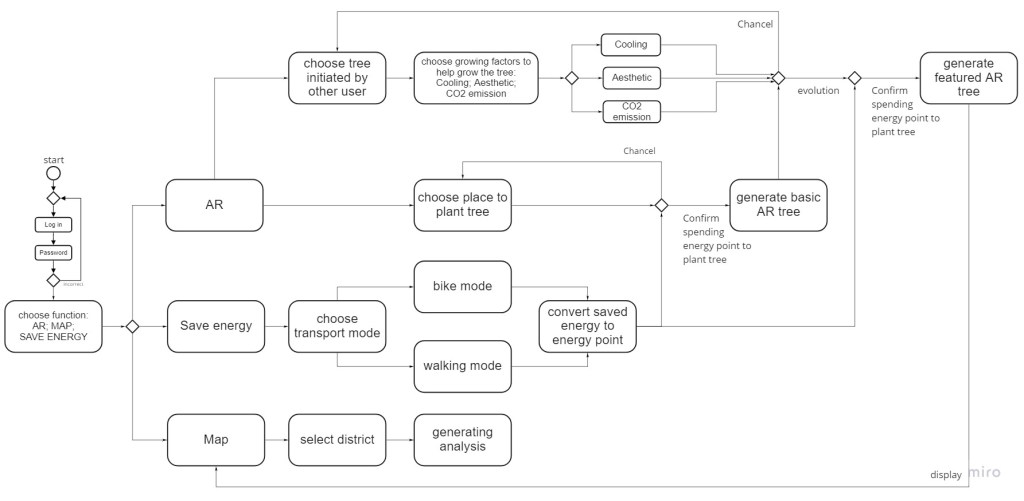
Sketches
The core parts are the interaction between users and different green facilities, planting trees, and helping trees grow. The user will turn on the camera and use AR to experience the growth of trees more intuitively.
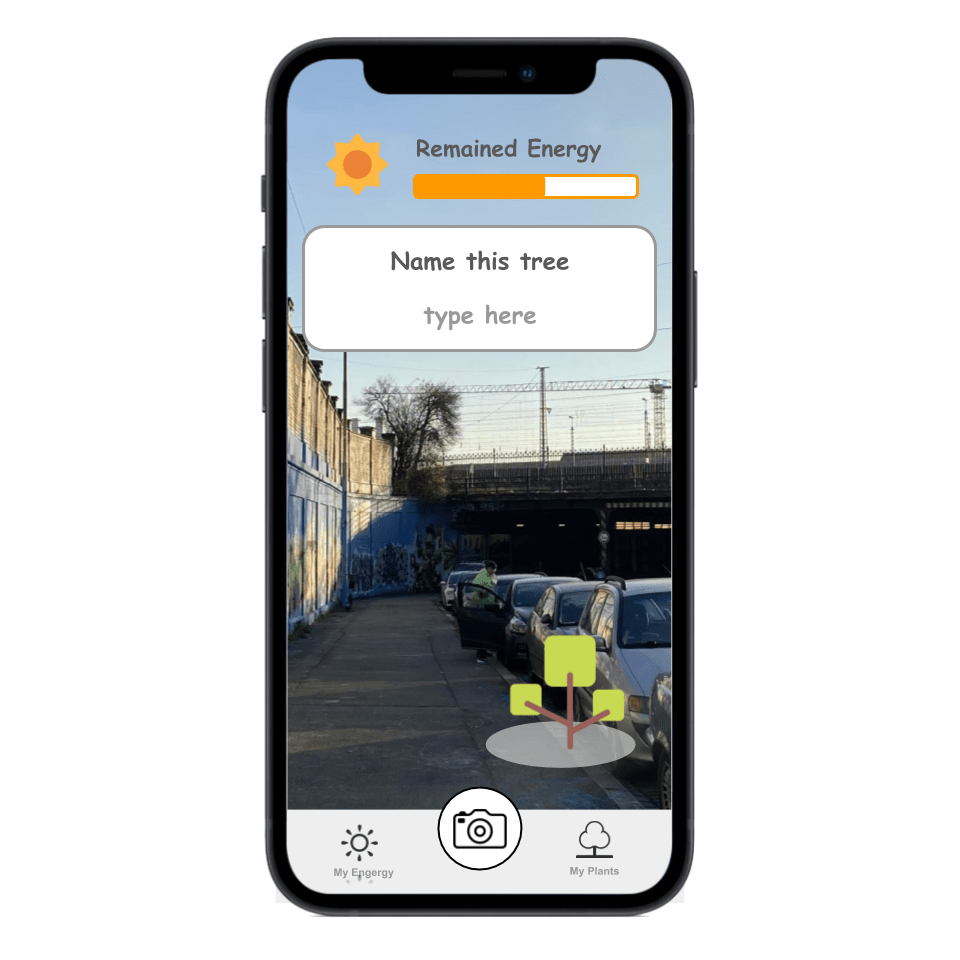
1. Plant tree in AR, trees will grow as users contributing points.

2. Interact with other tree. When trees are not maintained by the user for a long time, they will gradually fade and eventually disappear.
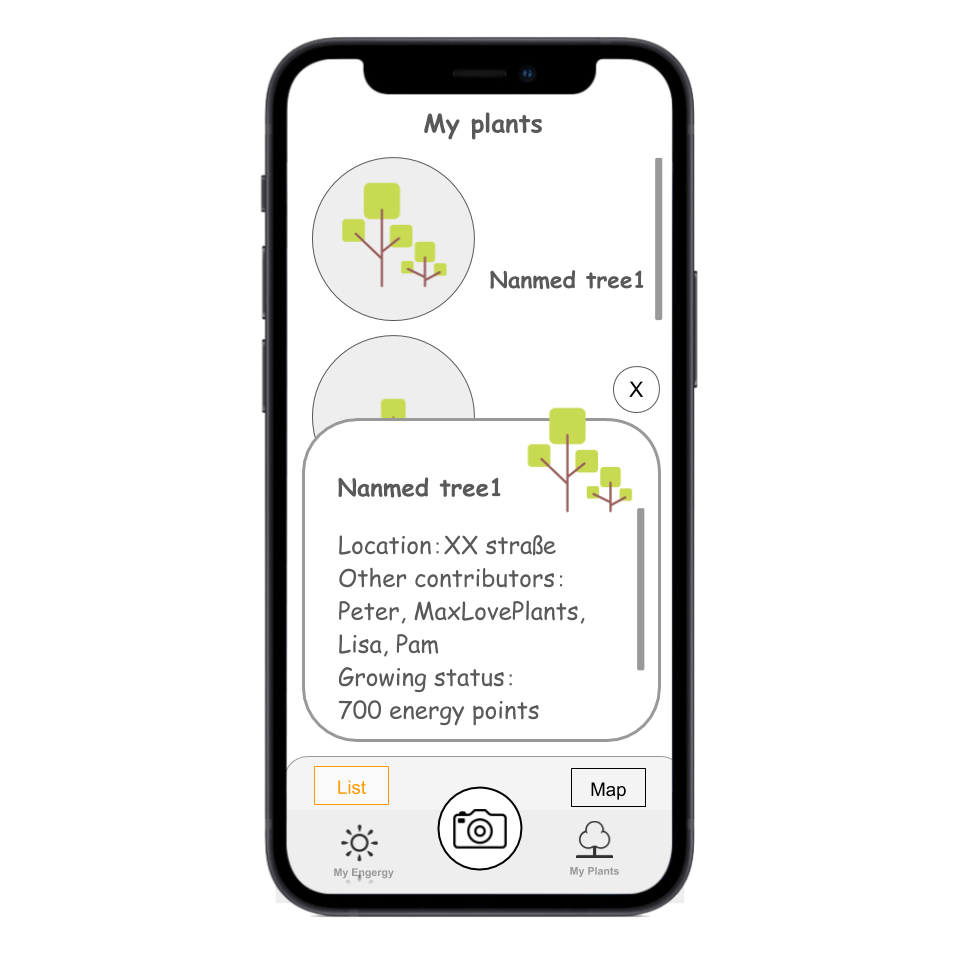
3. Click on the tree list to view the user’s planted trees, along with an interactive log of interactions with other users.

4. Report on 2d maps. Select the required criteria and view the contribution value of each tree. The color gradient represents the contribution.
Prototype | Go Green Map Version
Reflections and next step
This project challenged me to empathize with a group of people from an urban design scale, prompting extensive research to grasp the mindset of my target audience. Adhering to these constraints helped me broaden my empathy and optimize the resources available to me.
We hope to give more flexibility to the REPORT part of the application. The report would be visualized according to architects‘ and users‘ needs when possible. Besides, choropleths of report maps can be generated on different scales.In addition, we hope to add a variety of interactions between users and trees instead of pure watering the trees. For example, leaving notes on trees allows users to discuss tree species, needs in the community, and so on. In the discussion, the fair reasons for the existence of each green facility will appear, and users will gradually notice the choices and reasons of others. The diverse needs of users would also be included in the dialogue and exchanges between users.
 CongLiu Design